
- participates in muscle contraction, including that of the heart muscle
- regulates fluid balance and inside and outside cells
- Helps reduce the risk of kidney stones
- helps maintain normal blood pressure levels by counteracting the negative effects of sodium
Symptoms of Potassium Deficiency
Experiencing a potassium deficiency could cause several problems: muscle weakness, irregular heartbeat, mood changes, nausea and/or vomiting. If potassium is lacking, alertness decreases, muscles lose tone, the heart struggles to pump blood, the kidneys do not work properly, the heartbeat slows down and it becomes increasingly difficult to concentrate. The most frequent signs that may suggest a potassium deficiency are:
- tiredness: if you feel exhausted while sleeping regularly and without increasing the duration and / or intensity of physical activity, a potassium deficiency could be a cause;
- Cramps: potassium is a dilator of blood vessels, therefore very important during physical activity. Low levels of this mineral cause a slowdown in the activity of neuromuscular cells, the muscles experience difficulty in contracting, thus giving rise to pain and spasms;
- irregular heartbeat: among the causes that can provoke a palpitation or an irregular heartbeat there is also potassium deficiency; Dizziness: a consequence of irregular heartbeat and therefore also of a possible potassium deficiency. However, this is an uncommon phenomenon, so, if it occurs, it would be advisable to contact your doctor immediately;
- Constipation: Low potassium levels can slow down other functions of the body, and the digestive system is one of them. A deficiency of the mineral can cause bloating and abdominal cramps.
Foods and supplements: how to make up for potassium deficiency
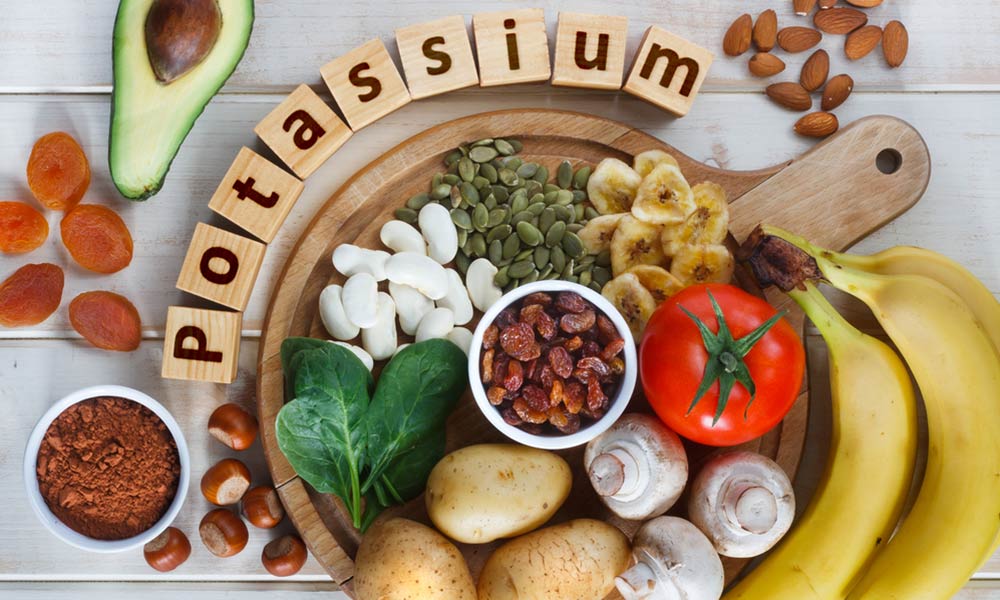
For the important functions performed by potassium, an adult should take about 4,700 mg per day. However, this milestone is achieved by a small percentage of the world's population. Typically, the average daily dose of potassium is around 3,500 mg. To be able to reach the optimal threshold, you can resort to different supplements, although it is always advisable to take potassium directly from food. Among the foods richest in potassium are:
- potatoes
- Tomatoes
- Legumes
- bananas
- spinach
In smaller quantities it is also found in tomatoes, cucumbers, zucchini, eggplants, pumpkin and carrots; Potassium is also found in legumes (beans, peas, soy), nuts (almonds) and in good quantities also in fresh fruit, especially in citrus fruits, melon, bananas, kiwi and apricots. Among the sources of animal origin, foods rich in potassium meat and poultry, dairy products and fish such as salmon, cod, plaice and sardines.
Potassium: all the health benefits
Potassium is a fundamental element for cellular homeostasis. Because of this role, the health benefits are manifold. Regulates blood pressure and cardiac activity Potassium intake, associated with a decrease in sodium consumption, leads to a reduction in the risks of cardio-vascular diseases. In contrast, potassium deficiency is often associated with hypertension. Maintains bone structure and muscle function Potassium-rich foods contribute to the creation of an alkaline environment within cells, as opposed to the acidosis condition associated with the common diet of Western countries. Metabolic acidosis is, in fact, triggered by the consumption of foods, such as meat, dairy products, processed flours. These foods can cause nitrogen excretion, reduced mineral density of bones and muscle deterioration. One study evaluated the effects of a diet rich in potassium. The results show that potassium doses above 5,000 mg per day result in an increase in muscle mass and bone density.
 Studies: Tolerable upper intake levels for vitamins and minerals. (February 2006) EFSA report on the maximum tolerability levels of mineral salts and vitamins. In particular, you can find data on manganese, selenium, molybdenum, magnesium, calcium, iodine, zinc, copper and chromium. ATTENTION The information contained in this site is presented for informational purposes only, in no case can it constitute the formulation of a diagnosis or the prescription of a treatment, and is not intended and must not in any way replace the direct doctor-patient relationship or specialist visit. It is recommended to always seek the advice of your doctor and / or specialists regarding any indication reported. If you have any doubts or questions about the use of a supplement or medication you should contact your doctor. Read the Disclaimer.